Cryotherapy for Skin Lesions in Alexandria & Washington
Quick, effective cryotherapy treatment for unwanted skin lesions—available at District Cryo.
Cryotherapy for Skin Lesions at District Cryo
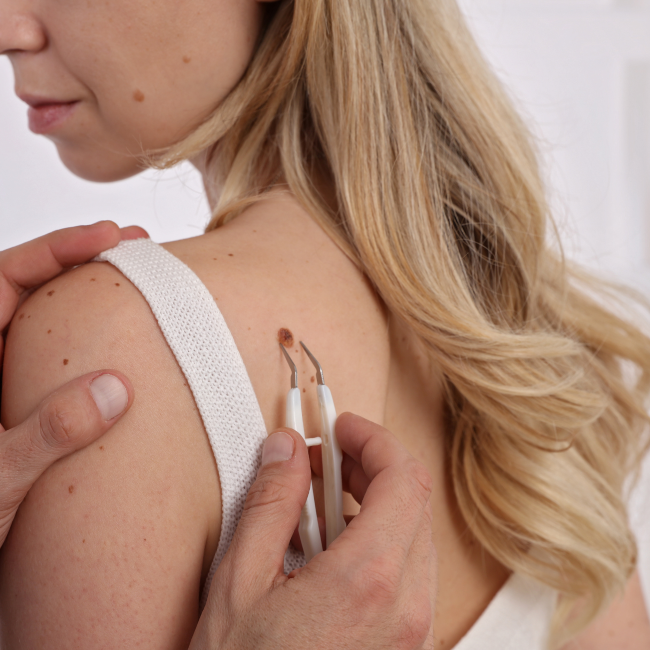
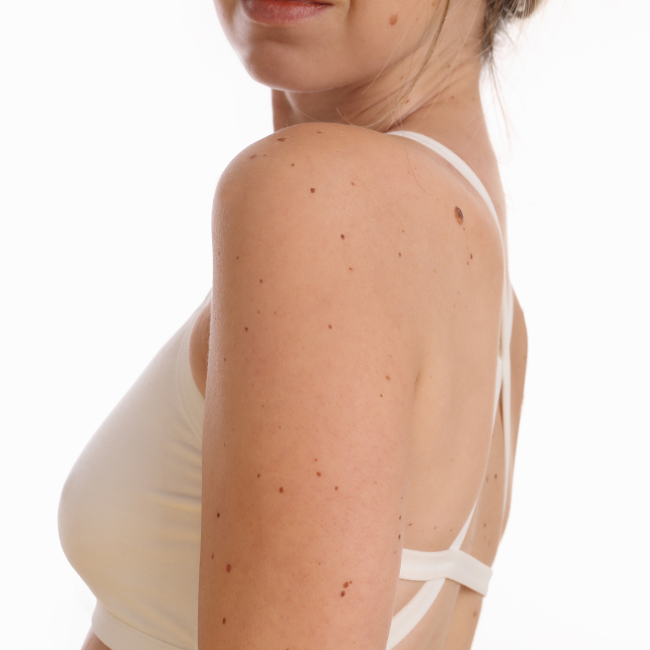
Skin lesions such as benign growths, keratoses, and other non-cancerous spots can be treated effectively with cryotherapy. This method involves a controlled application of cold that targets the lesion without surgery or a long recovery time. At District Cryo, we provide this treatment in a clinical setting with a focus on comfort and results.
Table of Contents
Add a header to begin generating the table of contents
Benefits of Cryotherapy for Skin Lesions
Cryotherapy is a non-invasive treatment that avoids cutting or sutures. The procedure is typically brief and causes minimal discomfort. Most people heal quickly and are able to return to daily activities shortly after their visit. It’s an efficient option for removing visible lesions while preserving the surrounding skin.
How We Prepare You for Cryotherapy for Skin Lesions
We begin by assessing your skin lesion to ensure cryotherapy is a suitable option. The area is then cleaned and prepped for treatment. We explain the process, including what you might feel during the procedure and how the skin will respond. Our team answers your questions and ensures you feel ready before starting.
What to Expect During Cryotherapy for Skin Lesions
During the procedure, a cold spray or probe is applied directly to the lesion. The freezing temperature damages the targeted cells, which then break down and are naturally removed during healing. The treatment is fast, and most people report only mild discomfort, such as tingling or burning. Mild redness or swelling may appear afterward.
Treatment Timeline for Skin Lesion Cryotherapy
Recovery: After cryotherapy for skin lesions, it’s common to experience mild redness, localized swelling, or scabbing in the treated area. These signs indicate your body’s natural healing response. Most clients notice the area gradually improving within one to two weeks as the lesion dries up and peels away. Avoid touching or picking at the site during this time to support proper healing and reduce the risk of irritation.
What to Do After Treatment – Recovery & Aftercare Tips
Recovery:
After your cryotherapy session, it’s normal to see the treated skin tag darken, dry out, and gradually fall off within one to two weeks. You may experience mild redness or sensitivity in the area, which usually fades quickly. Most people can carry on with their daily routines without any interruptions. It’s important to avoid applying pressure, friction, or any unnecessary contact to the treated area while the healing process takes place.
Aftercare Tips:
To support smooth healing, gently clean the area with mild soap and water and pat it dry; do not rub. Avoid scratching or picking at the tag, even as it starts to peel. Stay away from items that have fragrances, alcohol, or other irritating ingredients, and be sure to protect the area from direct sun exposure. If the skin feels dry or tight, apply a fragrance-free moisturizer. Our team will guide you with specific aftercare instructions tailored to your treatment area and skin type.